

google-icon
Trusted by Fintechs & Financial Institutions

Transaction Monitoring Optimization

A transaction monitoring system that generates too many false positives buries your team in noise. One that misses real risk exposes your organization to serious consequences. Pillars FinCrime Advisory helps fintechs and financial institutions tune their transaction monitoring frameworks to find the right balance — improving detection quality, reducing operational burden, and making sure your alerts actually mean something.
Fractional Compliance Services

What Transaction Monitoring Optimization Actually Involves

Optimizing your transaction monitoring isn't just about adjusting a few thresholds. It's a systematic process of understanding your risk, evaluating your current performance, and rebuilding your detection logic around what actually matters.

Current State Assessment

We start by evaluating how your transaction monitoring system is performing today. How many alerts is it generating, how many are true positives, what's your false positive rate, and are your current rules actually aligned with your real risk profile.

Rule & Threshold Tuning

We review and tune your monitoring rules and alert thresholds to reduce noise without sacrificing detection quality. Every adjustment is data-driven and documented so you can demonstrate to regulators why your thresholds are set where they are.

False Positive Reduction

Too many false positives don't just waste your team's time. They create alert fatigue that makes it easier to miss real risk. We identify the sources of your false positive volume and make targeted adjustments that bring your alert queue back to a manageable and meaningful level.

Investigation Workflow Enhancement

Good detection is only half the equation. We review and improve your alert investigation workflows so your team can work through alerts efficiently, document their analysis consistently, and escalate the right cases at the right time.

Tuning Documentation

Every tuning decision we make is fully documented with the rationale behind it. That documentation is what protects you when a regulator or bank partner asks why your thresholds are set the way they are and how you arrived at those decisions.

Ongoing Performance Monitoring

Transaction monitoring optimization isn't a one-time project. As your transaction volume grows and your customer base evolves, your monitoring needs to keep pace. We help you build a regular tuning cadence that keeps your system performing at the right level over time.

Smarter Alerts. Less Noise.

Your Transaction Monitoring Should Find Risk, Not Create Work

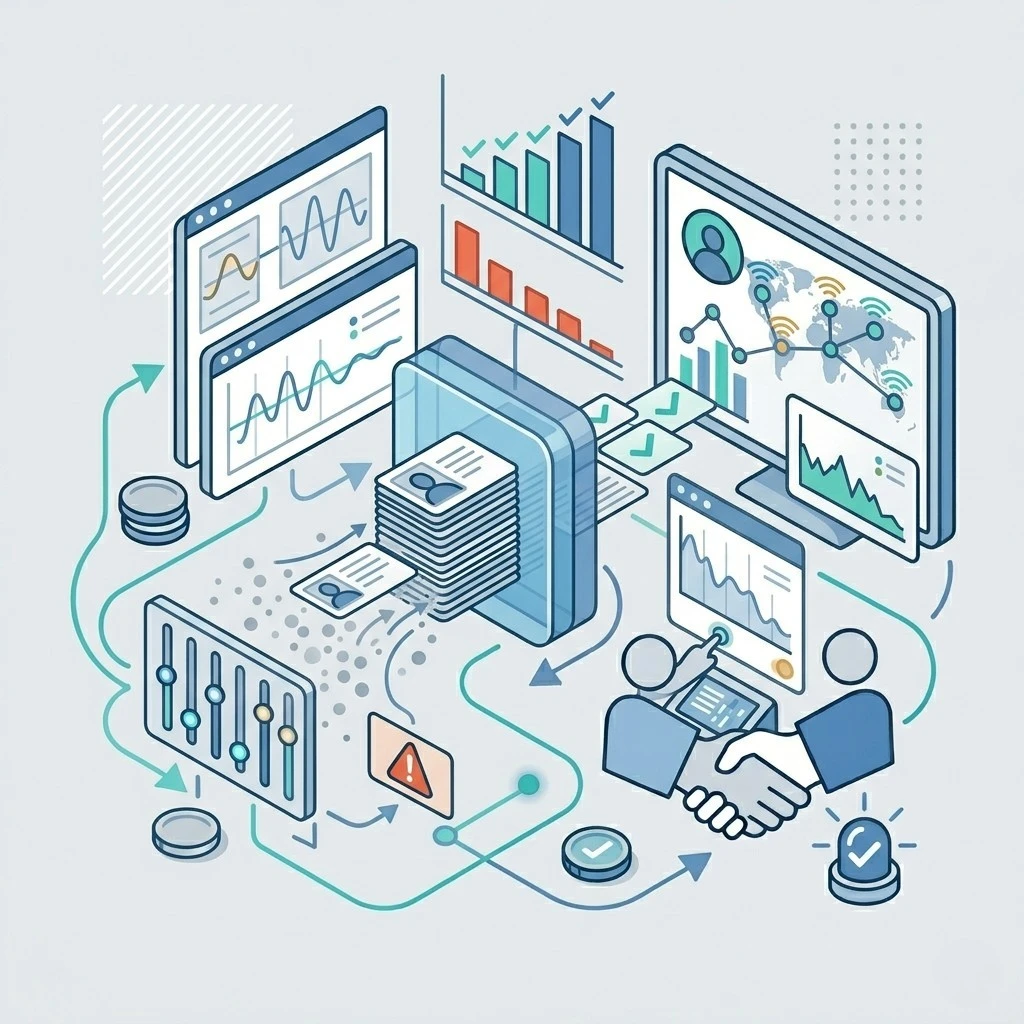
When your transaction monitoring system is generating hundreds of alerts that lead nowhere, your team stops taking them seriously. That's when real risk gets missed. Pillars works with you to tune your monitoring framework so that alerts are meaningful, investigations are focused, and your team is spending their time on the cases that actually matter. Better detection quality doesn't just improve your compliance program. It makes your entire operation more efficient and gives regulators and bank partners something to be confident about.

transaction-monitoring-optimization
What's Included

The Signs Your Transaction Monitoring Needs Attention

Most organizations know their transaction monitoring isn't working as well as it should. Here are the most common indicators that it's time to optimize.

Alert Volume Is Unmanageable
If your team is working through hundreds of alerts a week and the vast majority lead nowhere, your thresholds are likely miscalibrated and your analysts are burning time on cases that should never have been generated.
High False Positive Rate
When most of your alerts close as false positives, alert fatigue sets in. Your team stops engaging with the queue seriously and that's exactly when real risk starts to slip through undetected.
Rules Haven't Been Reviewed in Years
Transaction monitoring rules that were set up at launch and never revisited are almost certainly not aligned with how your business looks today. Your customer base, product mix, and transaction patterns have changed and your rules need to reflect that.
No Tuning Documentation
If you can't explain to a regulator or bank partner why your thresholds are set where they are and show the analysis behind those decisions, your monitoring program has a significant documentation gap that needs to be addressed.

Transaction Monitoring That Works Is Not an Accident

Getting transaction monitoring right takes deliberate effort, the right expertise, and a willingness to look honestly at how your system is actually performing. That's exactly what Pillars brings.

Joshua Douglas has spent years working with transaction monitoring systems across fintechs and financial institutions. He has seen what happens when monitoring is tuned well and when it isn't. He knows how regulators evaluate transaction monitoring programs, what bank partners expect to see, and what the difference looks like between a monitoring framework that genuinely detects risk and one that generates noise while real activity goes unnoticed. When Pillars optimizes your transaction monitoring, we do it with that experience guiding every decision. We look at your data, understand your risk profile, and make changes that are defensible, documented, and actually improve your detection capability rather than just reducing your alert count on paper.
12+ Years
Transaction Monitoring Experience
Data Driven
Every Decision Backed by Analysis
Fully Documented
Defensible to Regulators and Banks
Client Impact

Built for the Challenges Fintechs Actually Face

From first-time compliance builds to regulatory remediation and bank partner readiness — see how Pillars FinCrime Advisory helps organizations move forward with confidence, clarity, and programs that hold up under scrutiny.

Pillars helped us navigate a complex regulatory review with confidence. Their hands-on approach and deep understanding of fintech compliance made all the difference. Our program is now scalable and audit-ready.

The fractional CCO service provided exactly what we needed—senior-level expertise without the overhead. Joshua and his team integrated seamlessly with our operations and gave us the strategic guidance to grow safely.

From transaction monitoring optimization to KYC redesign, Pillars delivered measurable improvements. Alert quality is up, operational friction is down, and we're better prepared for regulatory exams.

Pillars helped us navigate a complex regulatory review with confidence. Their hands-on approach and deep understanding of fintech compliance made all the difference. Our program is now scalable and audit-ready.

The fractional CCO service provided exactly what we needed—senior-level expertise without the overhead. Joshua and his team integrated seamlessly with our operations and gave us the strategic guidance to grow safely.

From transaction monitoring optimization to KYC redesign, Pillars delivered measurable improvements. Alert quality is up, operational friction is down, and we're better prepared for regulatory exams.

Frequently Asked Questions

What does it mean to "optimize" transaction monitoring and how is that different from just adjusting thresholds?
Optimization is a comprehensive process that goes well beyond moving a few numbers. It starts with understanding your actual risk profile, evaluating how your current rules are performing against that profile, identifying where your false positive volume is coming from, and making targeted, data-driven adjustments that improve detection quality across the board. Adjusting thresholds without that underlying analysis is just guessing and it can make your monitoring worse rather than better.
How do we know if our false positive rate is too high?
There's no universal standard but if your analysts are closing the majority of alerts as non-suspicious without meaningful investigation, or if your team has started treating the alert queue as a formality rather than a genuine risk management tool, those are strong signals that your false positive rate is too high. Pillars can conduct a performance review of your current monitoring to give you an objective picture of where your system stands.
What do regulators look for when they examine transaction monitoring programs?
Regulators want to see that your monitoring rules are calibrated to your actual risk profile, that you have a documented methodology behind your threshold decisions, that your alert investigation process is consistent and well-documented, and that you have a regular tuning cadence in place. A system that was set up at launch and never reviewed is a very common examination finding and one of the most straightforward things Pillars helps you address.
Can Pillars help us optimize transaction monitoring regardless of which system or vendor we use?
Yes. Pillars works with your existing transaction monitoring platform rather than recommending specific vendors or requiring you to switch systems. Our optimization work focuses on the rules, thresholds, and investigation workflows that operate within whatever system you're using. The goal is to make your current system perform better, not to create a dependency on a particular technology solution.

Who We Work With

Pillars FinCrime Advisory partners with a range of organizations across the financial services ecosystem — from early-stage startups to established institutions managing complex compliance demands.

Houston, Texas

Headquarters

United States

Remote & On-Site Engagements

Founded 2025

By Joshua Douglas

Fintechs

Payments Companies

Sponsor Banks

Financial Institutions

Why Pillars
Why Organizations Choose Pillars to Optimize Their Transaction Monitoring
We Start With Your Data
Every tuning decision Pillars makes is driven by analysis of how your system is actually performing. We don't apply generic benchmarks or industry averages. We look at your alerts, your disposition rates, and your risk profile and make adjustments that are specific to your organization.
Detection Quality Over Alert Reduction
Some optimization engagements focus entirely on reducing alert volume. That's the wrong goal. Pillars focuses on improving detection quality, which means your alert volume comes down because fewer irrelevant alerts are generated, not because real risk is being filtered out.
Everything Is Documented
Regulators expect you to be able to explain and defend every threshold decision in your monitoring system. Pillars documents the rationale behind every change we make so you always have a clear, defensible record of your tuning methodology.
Ready to Strengthen Your Financial Crime Program?
Let's discuss your compliance needs today
Reach out to Joshua Douglas and the Pillars team at 281-825-1603 or pillarsfincrimeadvisory@gmail.com . Whether you're launching a new product, preparing for regulatory review, or scaling your compliance program—we're here to help.
Headquarters: Houston, Texas (Serving clients nationwide)
Contact Us Today